Share

Widgets

Showing posts with label cuisine. Show all posts

Tuesday, June 4, 2024

8 Best Dishes in Cambodia


Cambodian cuisine is – and should be – a part of your overall experience when visiting the country. A typical Cambodian meal would normally consist of a soup, a salad, a main fish dish, vegetables and rice. A Cambodian dessert, normally based on fresh fruits and sticky rice, complement the meal.

In the Khmer diet, rice and freshwater fish play big roles because of the abundance of both. Cambodia has 2 main sources of natural freshwater, the Mekong River and the Tonle Sap, a huge lake connected to the Mekong. In the monsoon season, the Tonle Sap floods some 16,000 sq km of the country, irrigating rice fields and providing breeding grounds for fish.

 1. Fish amok (steamed coconut fish in banana leaves)
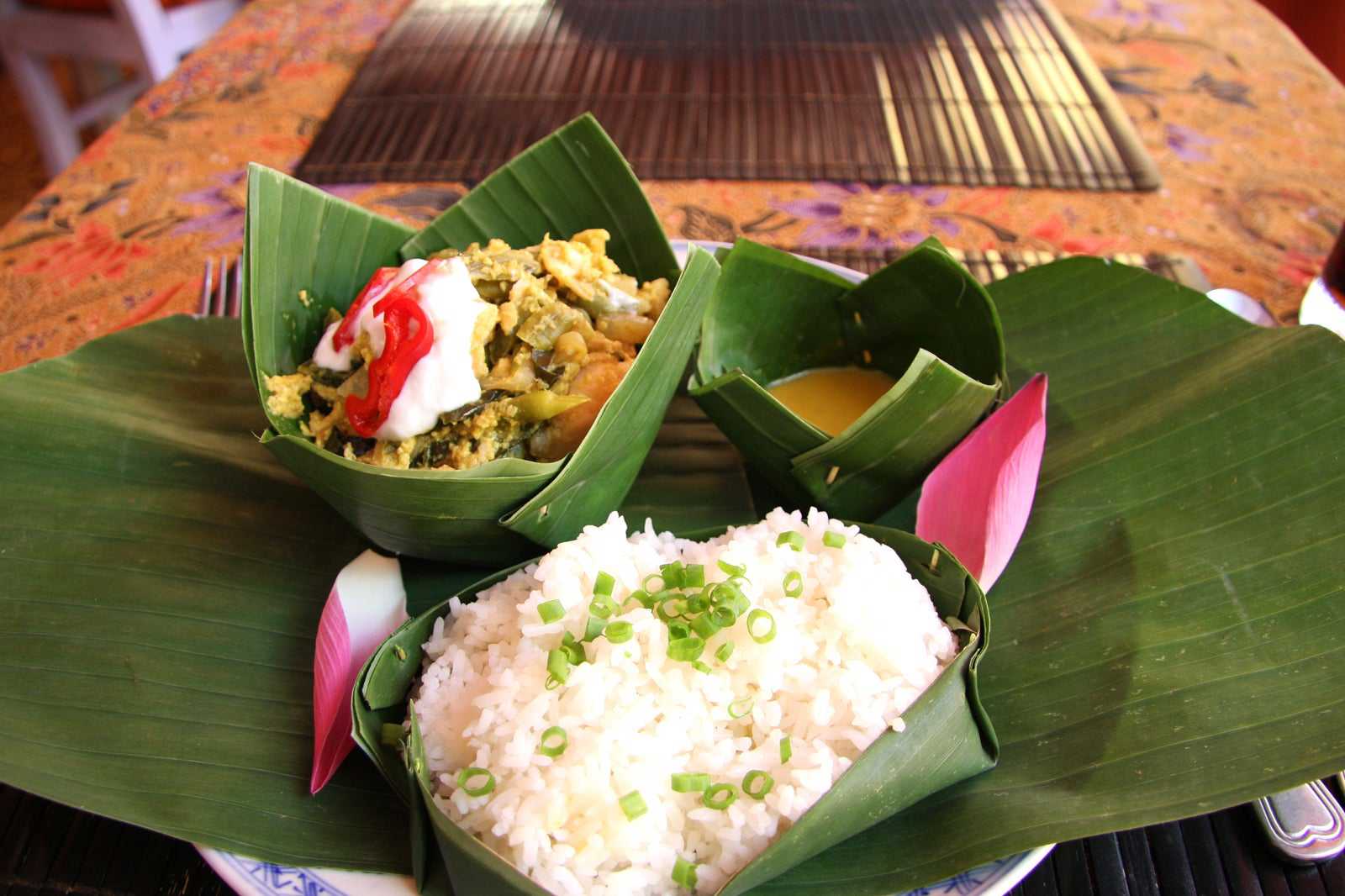
Fish amok (steamed coconut fish in banana leaves)
In the Khmer diet, rice and freshwater fish play big roles because of the abundance of both. Amok is a national dish, made from fish, coconut milk and curry paste.

All the ingredients are mixed together and put in banana leaf cups with coconut cream on top, then steamed. Another common form is amok chouk – snails with curry steamed in their shells. It's best served with a plate of hot, steamed rice.

2. Samlor machu trey (sweet and sour soup with fish)
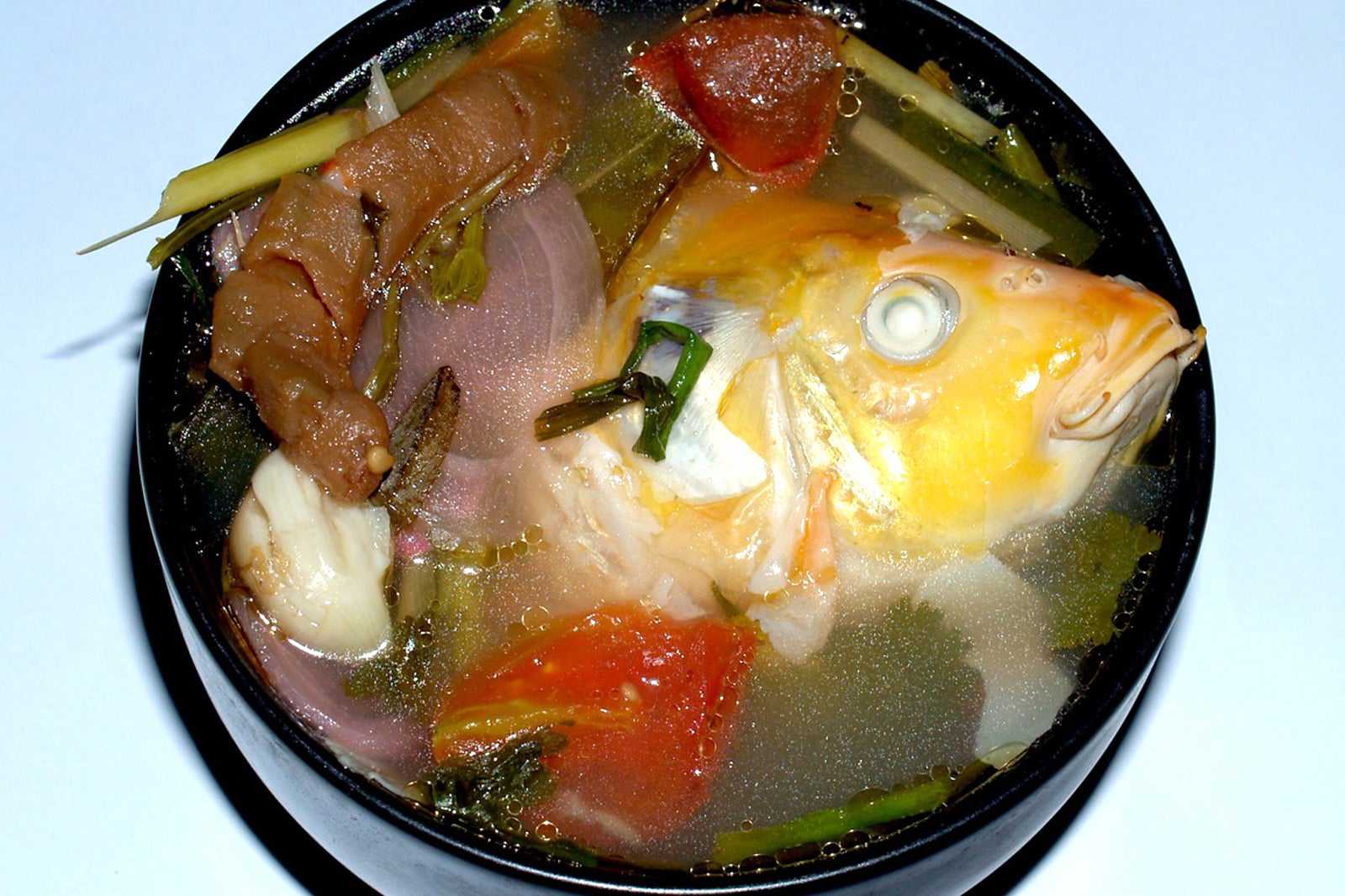
Samlor machu trey (sweet and sour soup with fish)

Samlor machu trey is a soup that's popular in many households in Cambodia as it’s not only easy to make but also has a lovely taste. Its ingredients include fish, garlic, lemongrass, celery, tamarind juice, bean sprouts, pineapple and seasoning with sugar, fish sauce, and salt.

Many people also add some fresh green herbs and hot chilli pepper on top before serving.

3. Char kroeung sach ko (stir-fried lemongrass beef)
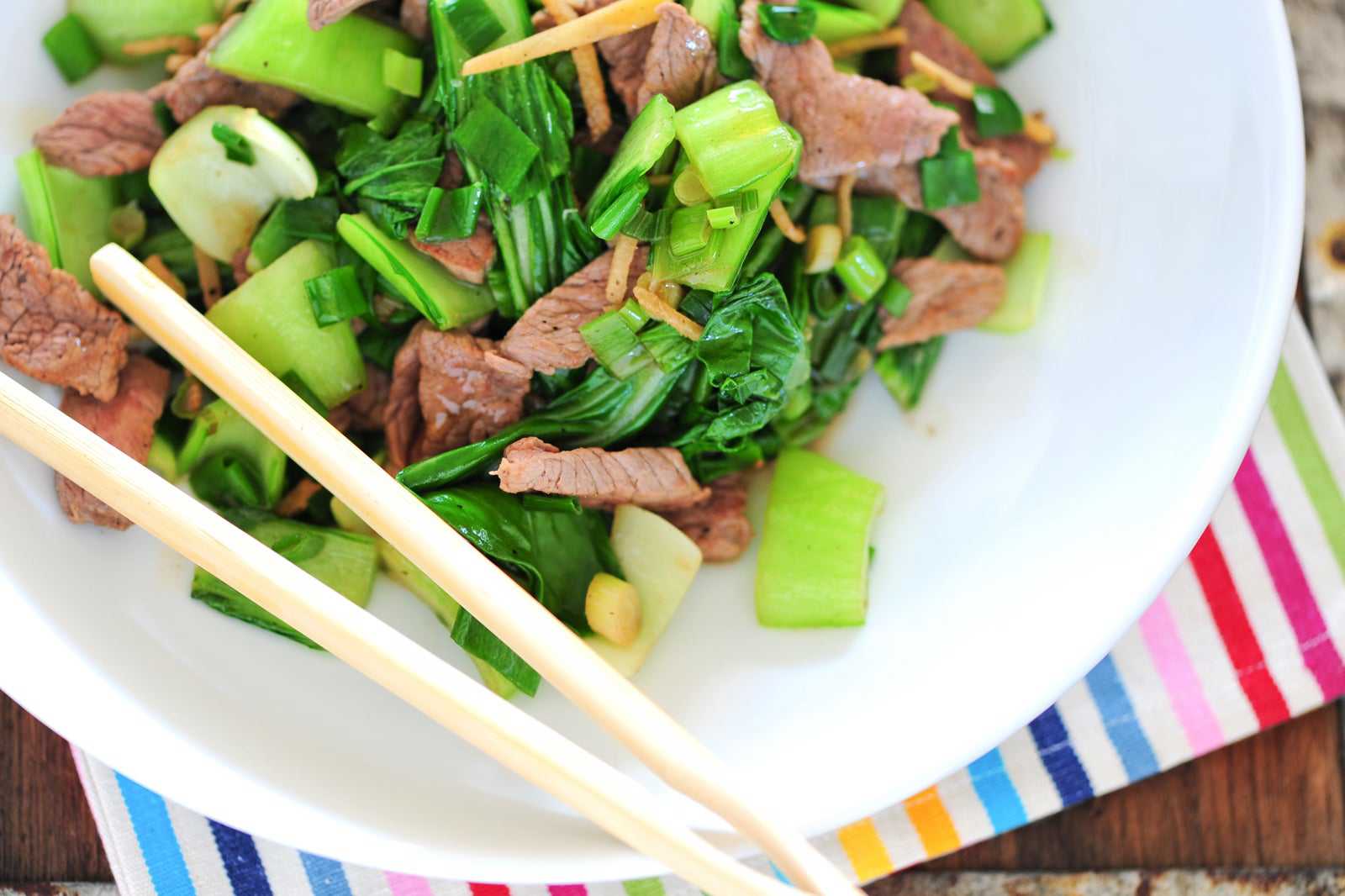
Char kroeung sach ko (stir-fried lemongrass beef)

Char kroeung sach ko is a popular Cambodian stir-fried dish that you can find almost throughout the country. After putting the beef in heated oil with garlic, stir fry until the beef becomes tender. Then add vegetables such as red peppers and onion as well as the kroeung mixture.

Kroeung is lemongrass paste which is considered very healthy, made from a variety of Asian herbs such as lemongrass (known to have a benefit in lowering acne), kaffir lime leaves and galangal.

4. Twa ko (Cambodian sausage)

Twa ko (Cambodian sausage)

Twa ko is a Cambodian sausage made from beef or pork and various spices. Just like any good homemade sausage, the authentic Khmer sausage contains at least 20-25% fat.

Some prefer to use pork belly as the main ingredient; it definitely serves the purpose well. Twa ko can be enjoyed on its own in barbecued, grilled or pan-fried style or served with steamed rice and fresh vegetables.

5. Nom banh chok (Khmer noodles)


Many locals start their day with nom banh chok, a popular dish known as Khmer noodles in English.

It consists of rice noodles topped with green fish gravy and lots of fresh vegetables including cucumbers, green beans, mint leaves, banana blossom and bean sprouts. It’s very similar to the Thai dish that's known as kanom jeen.

6. Bai sach chrouk (grilled pork and broken rice)
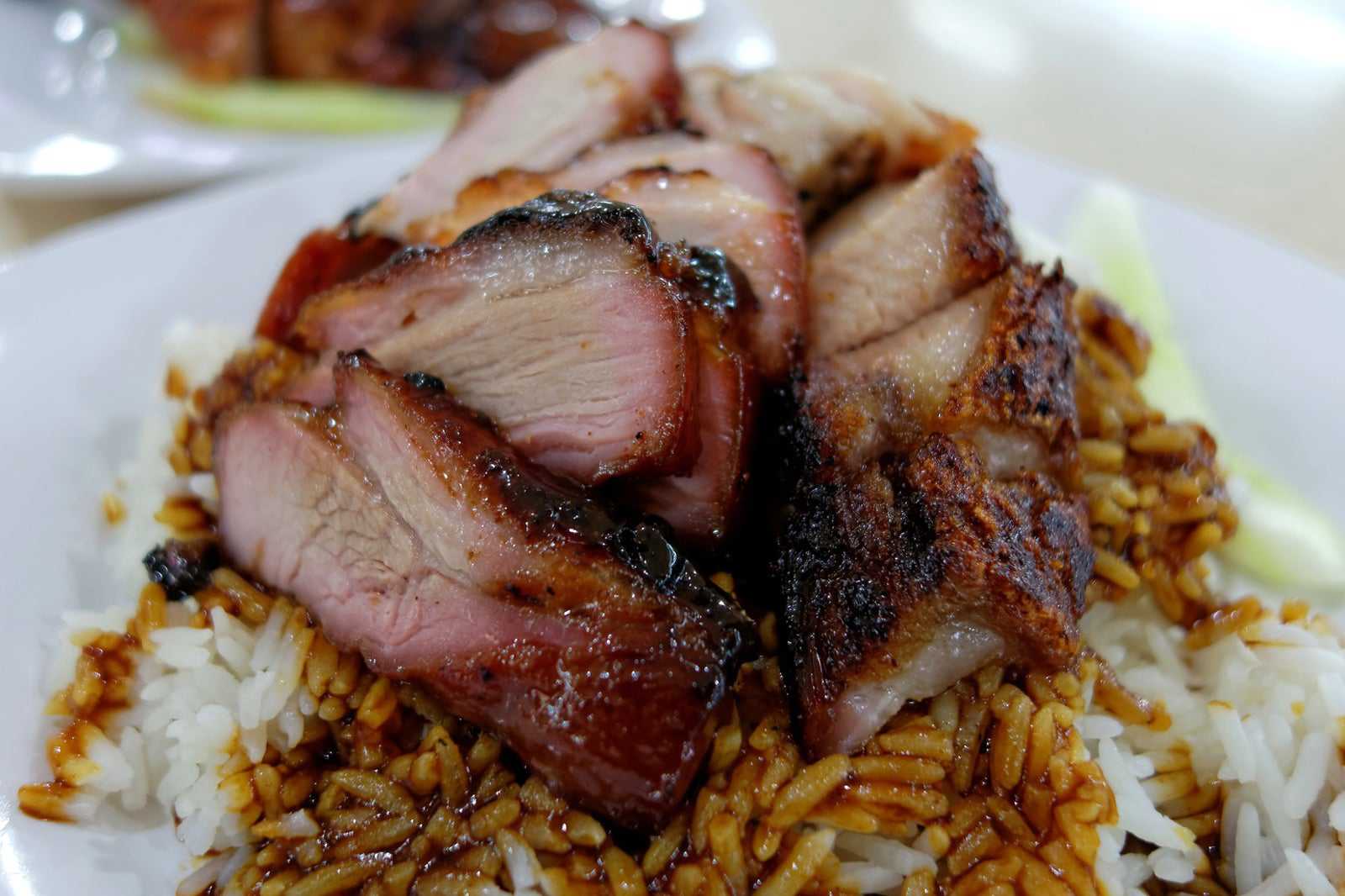
Bai sach chrouk (grilled pork and broken rice)

The simple and yummy bai sach chrouk is pork marinated in coconut milk or garlic before being brought to a slow grill. It's then served with broken or fractured rice and a small bowl of clear chicken broth as well as some fresh vegetables.

As part of the street food culture, it is available everywhere especially in busy neighborhoods. It’s so popular that many middle and upper restaurants also include it on their menus. Try it with iced coffee. The pairing can be very satisfying.

7. Kuy teav (noodle soup)
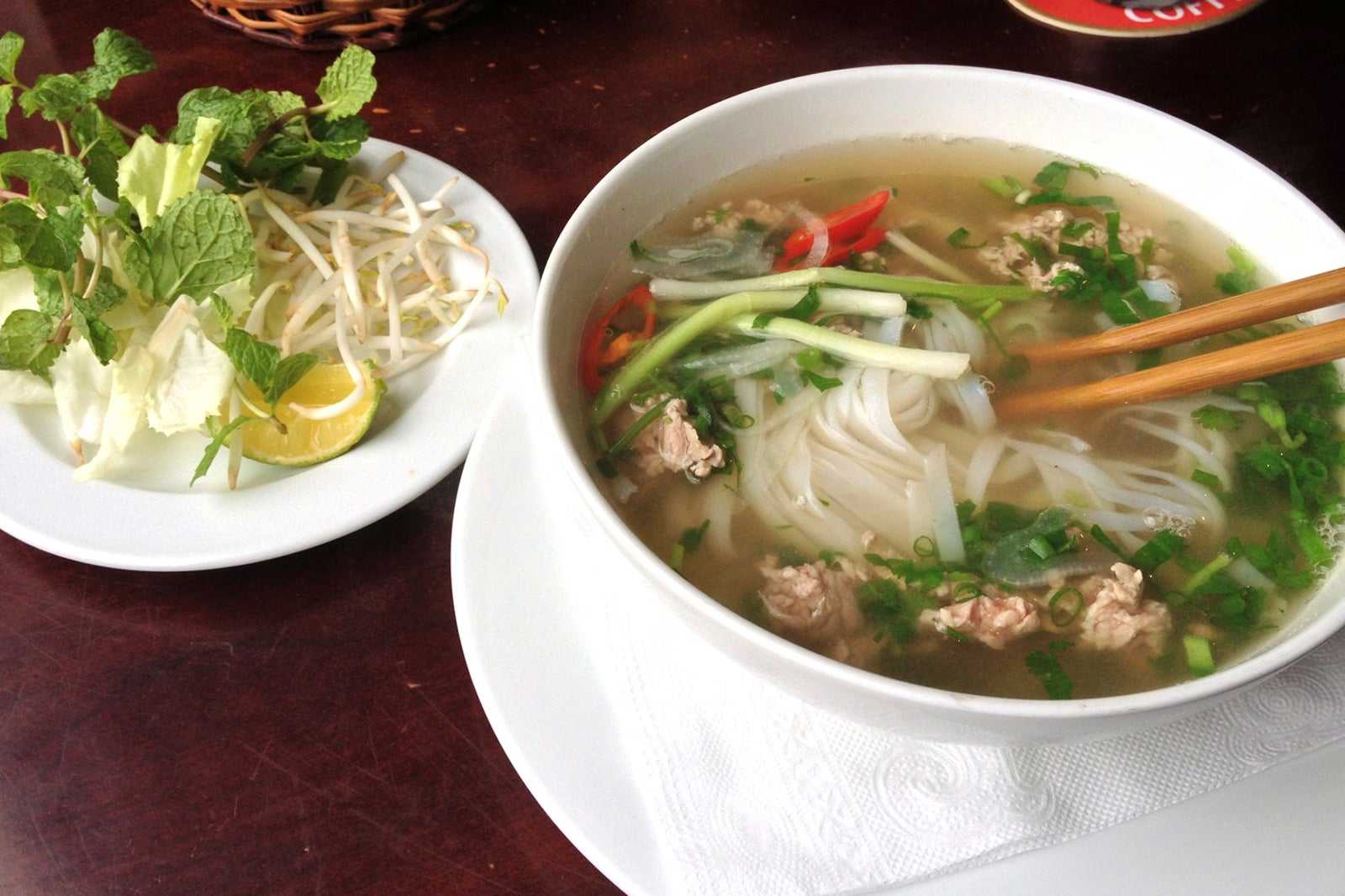
Kuy teav (noodle soup)

Kuy teav is a noodle soup made from pork or beef stock and rice vermicelli and toppings including bean sprouts and green onions. A variety of meat choices can be added, such as pork, chicken, fish balls and beef as well as seafood.

In some places, it’s served alongside sweet, spicy, garlic sauce and a small slice of fresh lime. This is when the real flavours start. Head to the open-air food stalls at any market; you will find kuy teav shops in no time.

8. Lok lak (stir-fried beef in brown sauce)
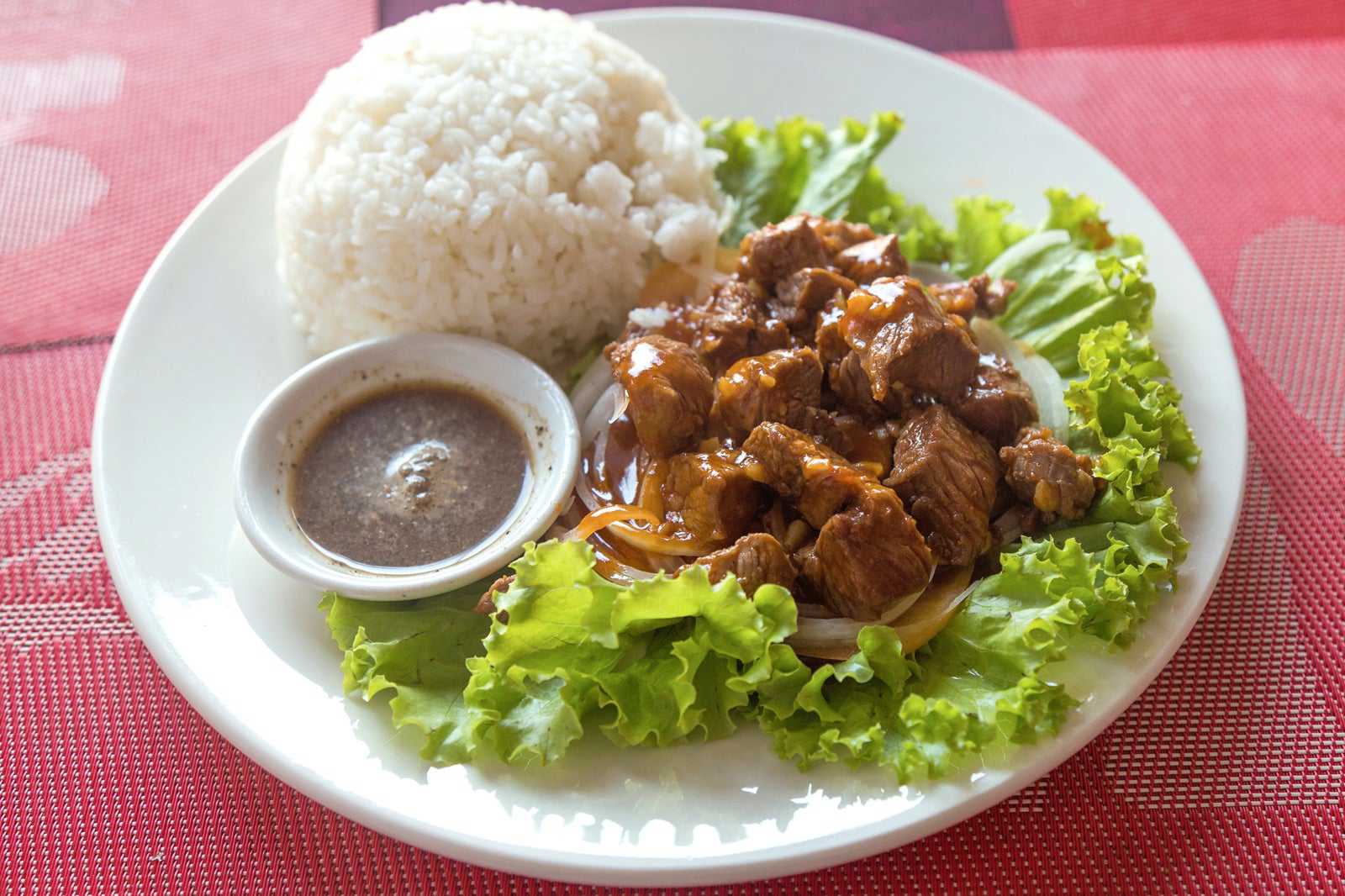
Lok lak (stir-fried beef in brown sauce)

Lok Lak is a traditional Khmer dish, which is basically stir-fried beef slices (or pork) in a light brown sauce, and served with rice and/or green salad and pepper sauce. Most restaurants across the county offer this dish but tastes are varied depending on the chefs and regions.

The beef or pork slices must first be marinated before cooking so that they are tastier and juicier.


Sourced by:  https://www.hotels.com

Wednesday, October 25, 2017

Delicious Foods From Different Countries Around The World

Besides all my naughty tales in Destination Poon, one of the most memorable aspect of travel for me is food. I’m talking about the luxury to taste all those new foods around the world, broaden your culinary horizon, and calibrate your taste buds. Yesterday a thought hit me when I was organizing my travel albums, and that thought manifested today into what you’re reading right now.
What I’m about to show you is not the best or worst of foods, but rather foods I managed to capture on camera and remembered to be interesting and worth sharing. I’ll be adding some more countries and photos over the months, creating a nice presentation of food from around the world.
You can also follow me on Instagram as I regularly share beautiful foods from my travels.

Different Foods From Different Countries Around The World

The country above each food is where I tasted it and took the photo.

Vietnam


Serbia

 Mexico

 
 Italy


 Montenegro


 Nicaragua


Burma (Myanmar)

 
 El Salvador


Greece

 United States of America

 
 Thailand


 Costa Rica


Philippines


Japan

  
 South Korea


 Canada


Notice: As you may have noticed, some of these foods aren’t very healthy. They surely don’t fit the dietary recommendations on this website. But personally, as I said in Destination Poon, I usually allow myself a few of the local dishes when I visit a new country. For the sake of the experience & the joy of life.
There are lots of foods from around the world I probably never tried, so feel free to add them in the comments if you’d like to share your experiences. And make sure you follow me on Instagram if you’d like to get constantly bombarded with photos of delicious, exotic foods from around the world. Bon appétit!

P.S – if you haven’t already, make sure you read my minimalist travel gear guide. It’s what allows me to move so freely from one country to the next and enjoy all those great foods. by: https://regevelya.com


Tuesday, January 24, 2017

10 meals every visitor to Cambodia should try


Squished between culinary heavyweights Thailand and Vietnam, Cambodia is often overlooked when it comes to food. But once you've sampled Khmer cuisine, you won't turn back.

Here are 10 dishes to start you off.

Bai sach chrouk: Pork and rice

Served early mornings on street corners all over Cambodia, bai sach chrouk, or pork and rice, is one of the simplest and most delicious dishes the country has to offer.
Thinly sliced pork is slow grilled over warm coals to bring out its natural sweetness. Sometimes the pork will be marinated in coconut milk or garlic -- no two bai sach chrouks are ever exactly the same.
The grilled pork is served over a hearty portion of broken rice, with a helping of freshly pickled cucumbers and daikon radish with plenty of ginger.
On the side, you'll often be given a bowl of chicken broth topped with scallions and fried onions.

Fish amok


 Fish amok is one of the most well-known Cambodian dishes, but you'll find similar meals in neighboring countries.

The addition of slok ngor, a local herb that imparts a subtly bitter flavor, separates the Cambodian version from the pack.
Fish amok is a fish mousse with fresh coconut milk and kroeung, a type of Khmer curry paste made from lemongrass, turmeric root, garlic, shallots, galangal and fingerroot, or Chinese ginger.
At upscale restaurants fish amok is steamed in a banana leaf, while more local places serve a boiled version that is more like a soupy fish curry than a mousse. 


Khmer red curry

 Less spicy than the curries of neighboring Thailand, Khmer red curry is similarly coconut-milk-based but without the overpowering chili. 

The dish features beef, chicken or fish, eggplant, green beans, potatoes, fresh coconut milk, lemongrass and kroeung.
This delicious dish is usually served at special occasions in Cambodia such as weddings, family gatherings and religious holidays like Pchum Ben, or Ancestor's Day, where Cambodians make the dish to share with monks in honor of the departed.
Khmer red curry is usually served with bread -- a remnant of the French influence on Cambodia

Lap Khmer: Lime-marinated Khmer beef salad

 Khmer beef salad features thinly sliced beef that is either quickly seared or "cooked" ceviche-style by marinating with lime juice.
Dressed with lemongrass, shallots, garlic, fish sauce, Asian basil, mint, green beans and green pepper, the sweet and salty dish also packs a punch in the heul (spicy) department with copious amounts of fresh red chilis.

A refreshing dish that is more beef than salad, lap Khmer is popular with Cambodian men, who prefer the beef to be nearly raw -- but at restaurants it's generally served grilled.


Nom banh chok: Khmer noodles

 Nom banh chok is a beloved Cambodian dish, so much so that in English it's called simply "Khmer noodles."
Nom banh chok is a typical breakfast food, and you'll find it sold in the mornings by women carrying it on baskets hanging from a pole balanced on their shoulders.

The dish consists of noodles laboriously pounded out of rice, topped with a fish-based green curry gravy made from lemongrass, turmeric root and kaffir lime.
Fresh mint leaves, bean sprouts, green beans, banana flower, cucumbers and other greens are heaped on top. There is also a red curry version that's usually reserved for ceremonial occasions and wedding festivities.

Kdam chaa: fried crab

Fried crab is a specialty of the Cambodian seaside town of Kep. Its lively crab market is known for fried crab prepared with green, locally grown Kampot pepper. 

Aromatic Kampot pepper is famous among gourmands worldwide, and although it is available in its dried form internationally, you'll only be able to sample the distinctively flavored immature green peppercorns in Cambodia.
It's worth a visit to Kep and Kampot for that alone, but Phnom Penh restaurants bring live crabs in from the coast to make their own version of this delicious dish, which includes both Kampot pepper and flavorful garlic chives.

Red tree ants with beef and holy basil

You'll find all sorts of insects on the menu in Cambodia. Tarantulas included.
But the dish most appealing to foreign palates is stir-fried red tree ants with beef and holy basil.
Ants of various sizes, some barely visible and others almost an inch long are stir-fried with ginger, lemongrass, garlic, shallots and thinly sliced beef.

Lots of chilies complete the aromatic dish, without overpowering the delicate sour flavor that the ants impart to the beef.
This meal is served with rice, and if you're lucky you'll also get a portion of ant larvae in your bowl.

Ang dtray-meuk: grilled squid

 In Cambodian seaside towns like Sihanoukville and Kep, you'll find seafood sellers carrying small charcoal-burning ovens on their shoulders, cooking the squid as they walk along the shore.
The squid are brushed with either lime juice or fish sauce and then barbecued on wooden skewers and served with a popular Cambodian sauce, originally from Kampot, made from garlic, fresh chilies, fish sauce, lime juice and sugar.

The summer flavor of the shore can be had even in Phnom Penh, where many restaurants bring seafood from the coast to make similar versions of this dish.


Cha houy teuk -- jelly dessert

After school in Phnom Penh, young people crowd around street stands serving Khmer desserts for 1,000 riel, about US$0.25.

Some have sticky rice or sago drenched in coconut milk and topped with taro, red beans, pumpkin and jackfruit.
One of the most refreshing is cha houy teuk, a sweet jelly dessert made with agar agar, a gelatin that is derived from seaweed.
The jelly can be brightly colored in pinks and greens, making it especially popular with children.

Combined with sago, bleached mung beans and coconut cream, cha houy teuk is usually served in a bowl with a scoop of shaved ice.

Fried fish on the fire lake 

 
Fresh coconut milk isn't used in every day Khmer cooking.Insteadit's saved for dishes served at special occasions.

Fried Fish on the Fire Lake is one such dish -- it's traditionally made for parties or eaten at restaurants in a special, fish-shaped dish.
A whole fish is deep-fried and then finished on a hotplate at the table in a coconut curry made from yellow kroeung and chilies.
Vegetables such as cauliflower and cabbage are cooked in the curry, and served with rice or rice noodles. The literal translation of this dish is trei bung kanh chhet, fish from the lake of kanh chhet, a green Cambodian water vegetable served with this dish.

Sourced: cnn

Khmer cuisine


Khmer cuisine (Khmer: សិល្បៈខាងធ្វើម្ហូបខ្មែរ) or, more generally, Cambodian cuisine, is the traditional cuisine of the people of Cambodia. Average meals typically consists of more than one dish and ideally contrasts flavours, textures and temperatures within the meal using plenty of herbs, leaves, pickled vegetables, dipping sauces, edible flowers and other garnishes and condiments.[citation needed]
The staple food for Cambodians is rice. Today rice is consumed by most Cambodians daily and with all meals, using a great number of cooking styles and techniques. There are hundreds of varieties of indigenous Khmer rice, from the fragrant jasmine-scented malis rice to countless types of wild, brown and sticky rice. Sticky rice is most often consumed as a dessert, often with slices of tropical fruit like mango or durian and coconut milk.

Rice is eaten throughout the day in the form of street-side snacks, such as deep-fried rice cakes with chives and spinach, for breakfast, as in Cambodia's famous rice noodle soup kuyteav or rice porridge, and in many desserts. Plain white rice is served with nearly every family meal, typically served with grilled freshwater fish, a samlor or soup, and an assortment of seasonal herbs, salad leaves and vegetables.

History and influences

Water, rice and freshwater fish exert the most profound influences on Khmer cuisine. The Mekong river, the twelfth longest in the world cuts through the very heart of Cambodia. The capital Phnom Penh is on its riverbank, at the junction where two other rivers meet: the Tonle Sap and Bassac. The Tonle Sap river connects the Mekong with the Tonle Sap lake, or Great Lake, which acts as a liquid heart and natural reservoir for the entire Mekong river system, regulating the flow of huge volumes of water, and allowing the safe passage of an astonishing number of freshwater fish. The lake itself is believed to have more fish than any other in the world and ranks second only to the Amazon river in biodiversity.

When the rainy season begins at the start of the Khmer New Year, the region becomes inundated with monsoonal rain and Cambodia turns into a vast ocean of emerald rice-paddies. The geographical setting of wetlands (Cambodia ranks second to Bangladesh for the largest amount of wetland in Asia) and floodplains explains why water, and hence fish and rice (which grow in water) are such an integral component to the cuisine. Many dishes, in particular the samlors, have a pond-like appearance,
and are often loaded with reed-like plants, leaves and vegetables, mirroring the surrounding landscape.

Dipping sauces tend to be quite watery, as are most Cambodian curries.
Khmer cuisine shares many commonalities with the food of neighbouring Thailand — although, less chilli, sugar and coconut cream are used for flavor — and of neighboring Vietnam, with which it shares and adopts many common dishes, as well as a colonial history, as both formed part of the French colonial empire in Southeast Asia. It has drawn upon influences from the cuisines of China and France, powerful players in Cambodian history. The Chinese began arriving in the 13th century, but Chinese migration accelerated during the French period. Curry dishes, known as kari (in Khmer, ការី) show a trace of cultural influence from India. The many variations of rice noodles show the influences from Chinese cuisine. Preserved lemons are another unusual ingredient not commonly found in the cooking of Cambodia's neighbours; it is used in some Khmer dishes to enhance the sourness. The Portuguese and Spanish also had considerable influence in Cambodian affairs in the 16th century, introducing chilli and peanuts into Asia from the New World. However, chilli never gained the same status or prominence as it did with the cuisines of neighboring Thailand, Laos and Malaysia. Even today very few recipes include chilli.

One legacy of French, the baguette - known as nom pang in Khmer - is ubiquitous in all parts of Cambodia today. Cambodians often eat bread with pâté, tinned sardines or eggs. One of these with a cup of strong coffee, sweetened with condensed milk, is an example of a common Cambodian breakfast. Freshly buttered baguettes can be made into sandwiches (also called nom pang) and may be stuffed with slices of ham or any number of grilled meats, with Kampot pepper, similar to Vietnamese banh mi. The French also introduced beer, butter, pate, coffee, chocolate, onions, carrots, broccoli, potatoes and many other types of non-native produce to Southeast Asia.

Traditionally, Cambodians eat their meals with at least three or four dishes. A meal will usually include a soup, or samlor, served alongside the main courses. Each individual dish will be either sweet, sour, salty or bitter in taste. Chilli (fresh, pickled or dried) and chilli sauce is served on the side and left up to individual diners and to their taste. In this way Cambodians ensure that they get a bit of every flavor to satisfy their palates.

SIK GAEK Korean Cuisine: “The Taste is Memories and Nostalgia”


Korean cuisine is fast taking over the upmarket restaurant scene, from the Americas and Europe to Southeast Asia, with the World Health Organization praising it as a model of balance, harmony and taste.
The art of Korean cuisine captures and complements the four colors and four flavors harvested from the distinct seasons in Korea: “Sour Blue”, which awakens; “Bitter Red”, which strengthens the heart; “Spicy White”, which detoxifies your body; and “Salty Black”, which revitalizes the kidney, bladder and sexual organs. The perfect balance of these colorfulflavors will not only bring good health, but good fortune as well.
In Phnom Penh, Cambodia, several restaurants continue to uphold the rich tradition of Korean cuisine. One of the newest Korean restaurants, SikGaek (“Houseguest”) serves up sizzling Korean BBQ in central BoeungKeng Kang 1.

The newly opened SikGaek is a modern Korean restaurant with an impressive and spacious hall with the capacity to serve up to 30 guests at any one time. There are also 27 separate private rooms available for special occasions. Government officials, oknhas and construction and finance dignitaries have all visited SikGaek.

The head chef, Kim Dae-hyun, with 20 years of experience under his belt, goes by the name “tiger chef” in the kitchen, reflecting his passion and drive for perfection. With the philosophy of “cook as for my family”, Kim has been known to uphold the highest standards, carefully selecting only the best ingredients for his dishes. Kim also takes great care in looking after his employees, both professionally and personally. In the past, he stayed with an employee who lost a family member overnight to comfort him.
“I’m working to achieve my dream to meet a spouse in Cambodia and to live the rest of my life with her and her family here” said the bachelor chef.

Talking of his passion for food and creativity, Kim said the working environment is as important as the food he produces. “Fun! For Fun, we must maintain a comfortable atmosphere. Safety is also necessary, as is a clean kitchen. SikGaek is not only for Koreans. It exists through the crew who work for the happiness of the customers,” he explained.

He says that the restaurant’s employees are always energetic and enthusiastic about learning new recipes with quality ingredients. “There is nothing I can do by myself. I don’t think using expensive meat for educating the staff is wasteful at all,” Kim said.

As a result of Kim’s spare-no-cost managerial philosophy, SikGaek employees are some of the best in the country. “My people are filled with joy when we have more customers. Even in Korea, it would be rare to find such enthusiastic and happy staff with such smiling faces. They deserve a thank you,” he said.
However, it isn’t all fun and games for Kim. “It is crucial that we have to be experts in our field. Only with the mastery of our skills can we expect to be happy and successful,” he added.

The charm at SikGaek is derived from its fermented ingredients. Well-known Korean foods such as kimchi and soybean paste made from beans are at the core of Korean cuisine. They have been scientifically proven to help with flavor preservation and digestion.

When you visit SikGaek you can expect to be served marbled sirloin believed to bring financial luck. Or you could ask for eel, which not only energies and revitalizes stamina, but also increases the white glow of skin. Wrap them in fresh vegetable with delightful side dishes for a perfect meal. For desert, SikGaek prepares kimchi-mari noodles to refresh your mind and body, giving you the power to grab good fortune by the horn.
Food that not only satisfies your taste buds and health, but also improves your good fortune. That is Korean cuisine. SikGaek is highly recommended.Located on #231, Street 63 corner 352, BKK1, opposite the Thai Houtsupermarket,

Sourced by: The Phnom Penh Post
Related Posts Plugin for WordPress, Blogger...

Flag Counter

Flag Counter

Search This Blog


© 2013 Easynewstech. All rights resevered. Designed by Templateism

Back To Top